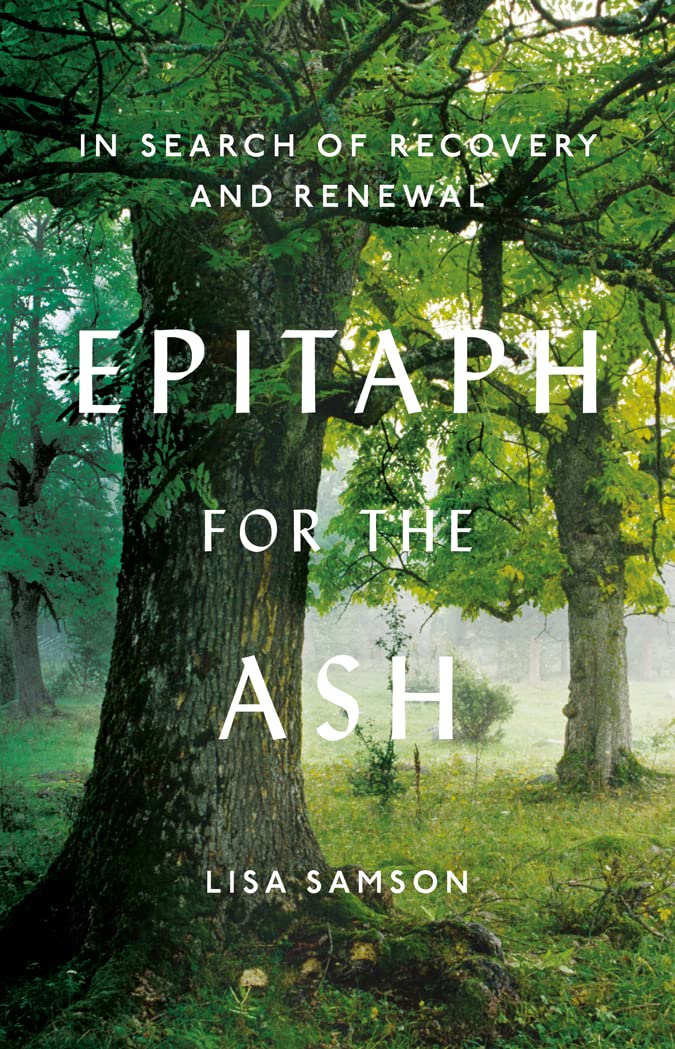
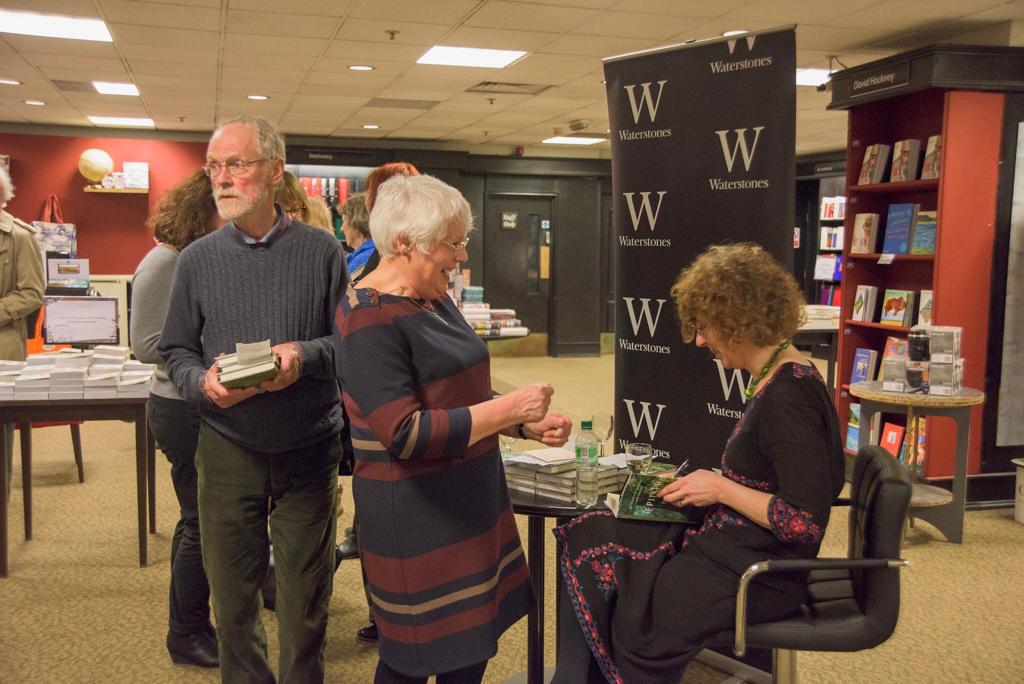
Lisa is a writer, reviewer, trustee, and former university lecturer. In 2018, 4th Estate published her non-fiction book “Epitaph for the Ash: In Search of Recovery and Renewal”. The Literary Review of Books said: ‘everywhere Lisa’s powerful affinity with the natural world is palpable… .’ BBC Wildlife said: ‘A leafy green jewel of a journey that will change the way you look at the ash tribe forever…’ The Observer said: ‘Fascinating…Both a labour of love and an extraordinary achievement…’
In short form, Lisa has published fiction for Brand magazine and Cut a Long Story, and non-fiction online and in books. She was a regular contributor to the well-known nature blog Caught by the River . Lisa has written three novels, the most recent of which is called “Embers”, told from the point of view of four different narrators, each of whom is directly affected by the fire which takes place in a grocers’ shop. This is currently being considered by literary agencies. The first novel “Talk to Me” came second in the Virginia Prize for Fiction 2011. The second, “The Deadhouse Keeper’s Daughter” is a historical novel set in Swaledale.
Presently , she is working on a book of case studies with the working title “On Becoming Disabled”. Each chapter is an interview with a person who has become disabled in some way, whether through loss of sight, mental illness or multiple sclerosis, etc. Lisa has mobility issues and is registered disabled. She feels very strongly that the voices of people who have become disabled should be heard.
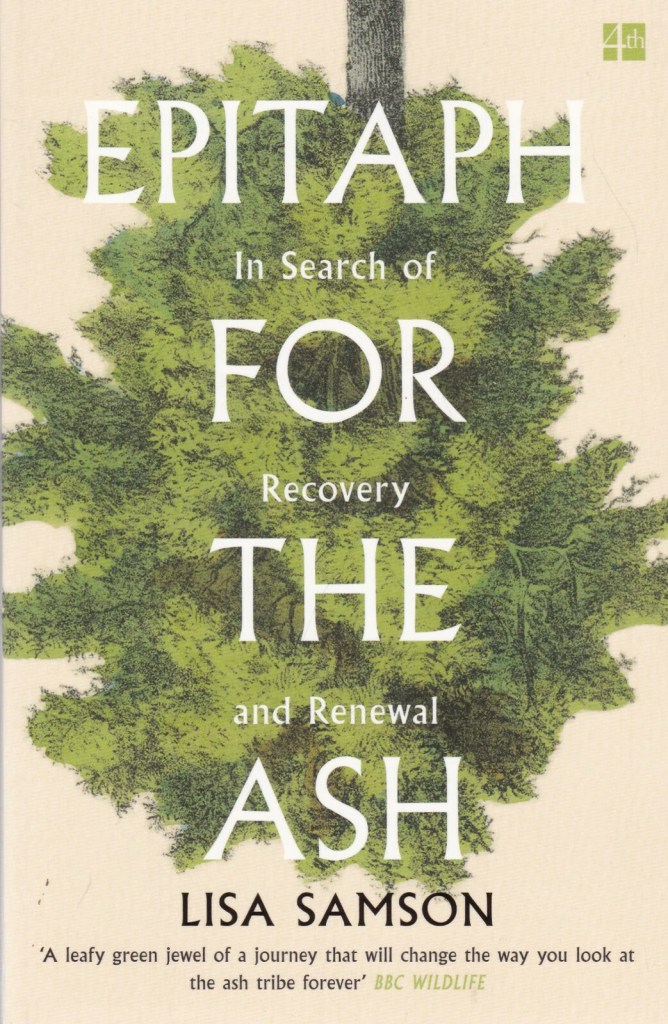
Inspired by her uncle, Gerald Wilkinson who wrote Epitaph for the Elm in 1978, Lisa Samson has written Epitaph for the Ash. Ash Dieback is a disease from mainland Europe which poses a very serious threat to the ash tree’s survival. Epitaph for the Ash explores how barren our landscape could become without the ash’s familiar branches protruding from limestone scars and chalky cliff faces.
The trees’ grave prognosis takes on a personal resonance when, in the course of writing this book, Lisa is diagnosed with a brain tumour. While she receives treatment, and learns to walk and talk again, Lisa finds solace once more in the natural world. She continues to research her beloved forests, which once sheltered a wealth of flora and fauna, seeking out the possibilities that modern science might provide for their survival.
Taking us from the lowlands of Norfolk to northernmost reaches of the British Isles, Lisa’s book is a celebration of the deep cultural and historical significance of the ash. As Lisa contemplates her own mortality, and the trees’ likely fate emerges, Epitaph for the Ash offers up a rallying cry to treasure these remarkable woodlands while we still can, before it is too late.
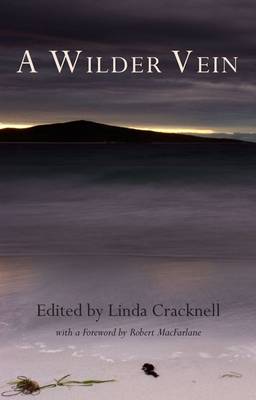
In his review for The Scotsman, Roger Cox says: “Some of the most interesting nuggets of contemplation thrown up by A Wilder Vein occur when its team of intellectual miners turn their attention to areas which were once inhabited or cultivated but have since been reclaimed by the wild. … In “Sewing a Scene on the Spirit Line”, Lisa Samson sets out to walk the Corpse Way in Yorkshire – a path along which in the Middle Ages, the villagers of Keld used to carry their dead to the consecrated ground at Grinton churchyard, 14 miles away. ‘If ‘to consecrate’ means ‘to sanctify’, then by urbanisation of our country we have unwittingly sanctified that land which is still free.”’